Saturday, 22 February 2025

Why Indian Farmers commit suicide


India, a land of agriculture, feeds over a billion people. But hidden behind this abundance lies a tragic reality—thousands of Indian farmers take their own lives every year. Why is this happening? Why are the very people who put food on our plates unable to feed themselves?

It all started in the 1960s with the Green Revolution. Scientists developed high-yielding varieties of wheat and rice, combined with chemical fertilizers and modern irrigation. The goal? To end hunger. And it worked—India became self-sufficient in food production.

But while the Green Revolution was a miracle for some, it became a nightmare for many small farmers.

For the revolution to work, farmers had to buy expensive seeds, fertilizers, and pesticides. Wealthy farmers could afford these investments, but small farmers had to borrow money—often from moneylenders who charged high interest rates.

At first, the new technology seemed promising. Yields increased, and farmers hoped for a brighter future. But soon, cracks began to show.

Continuous use of chemical fertilizers degraded the soil. Pests became resistant, requiring even stronger and costlier pesticides. Water tables dropped as irrigation demands skyrocketed. And when farmers couldn’t keep up with these costs, they fell into a debt trap.

Instead of helping all farmers, the Green Revolution widened the gap between rich and poor. Big landowners thrived, while small farmers struggled. Some even lost their lands to commercial farming corporations.

With no way out, many farmers saw only one escape—suicide. They drank the very pesticides that were supposed to save their crops. According to reports, over 300,000 farmers in India have committed suicide since the 1990s.

Government schemes have tried to address this crisis, but many initiatives fail to reach those in need. Corruption, bureaucracy, and lack of awareness prevent real change.

But there is hope. Some farmers are returning to traditional, organic farming methods—using crop rotation, natural fertilizers, and community-driven practices. This reduces costs and makes farming sustainable.

As consumers, we can make a difference by supporting local farmers, buying organic produce, and raising awareness about their struggles. The backbone of India’s economy—its farmers—deserve better. If we don’t act now, who will?

Let’s stand with our farmers. Let’s work towards a future where no farmer feels helpless. Share this video to spread awareness, and together, let’s build a better tomorrow.


Thursday, 6 February 2025

The Cycle of Preparation: A Lesson from the Marketplace


As the summer sun blazes down, the arrival of monsoon seems like a distant promise—a whisper in the wind, a hope for respite from the scorching heat. Yet, for those who understand the rhythm of life, the rains are not just a season; they are an event to prepare for. In a small town, nestled between fields of golden crops and the winding roads leading to bustling markets, a man loads sacks of rice onto a bullock cart. He knows not what tomorrow holds—whether he will wake up to another morning of toil or if fate has other plans. Yet, his thoughts are not of the uncertainty of life but of the certainty of change.

The Urgency of Preparation

The marketplace, a place of vibrant chaos, is alive with the sounds of buyers haggling, vendors calling out their wares, and the rhythmic clatter of wooden carts. The man, a rice trader, is among them, ensuring that his shop is well-stocked before the monsoon rains make transportation difficult. He works with quiet determination, stacking sacks of rice in neat piles, aware that a short delay could mean an empty granary and hungry customers.

This urgency is not born out of fear but out of an understanding of life’s cycles. The farmer, who has spent months tending to his crops, brings his produce to market, hoping to sell it at a good price before the rains make travel difficult. The shopkeeper buys in bulk, mindful that flooded roads and delayed supplies could leave him with empty shelves. The consumer, too, stocks up, preparing for days when stepping out of the house will be an ordeal.

A Lesson from Nature

Nature, in its silent wisdom, follows a similar pattern. The ants, seemingly insignificant, work tirelessly during the summer, gathering food for the rainy days ahead. Birds build their nests with careful precision, ensuring that their young ones have a safe haven when the storms arrive. Even trees shed their excess leaves before the monsoon, making way for fresh, stronger growth.

This inherent preparation is not just about survival; it is about foresight, about recognizing that every season brings its own challenges and that those who plan ahead are the ones who thrive.

The Uncertainty of Life

As the man loads his cart with sacks of rice, he pauses for a moment, wiping the sweat off his brow. A fleeting thought crosses his mind—will he be here tomorrow? Will he be able to see the fruits of his labor, or will fate have a different path for him? Yet, he shakes off the thought. The future is unknown, but the present demands action. He cannot afford to dwell on uncertainties; his family, his customers, his livelihood depend on his efforts today.

This is the reality for many. A fisherman ventures into the sea, knowing full well the risks of an impending storm. A weaver continues to craft intricate patterns, unsure if the market will favor his work. A student studies late into the night, uncertain of the results but hopeful for a better tomorrow. Life does not come with guarantees, but effort remains the common denominator between dreams and reality.

Generational Wisdom and Responsibility

Beyond personal survival, preparation is also about responsibility toward the next generation. The rice trader is not just stocking his shop for the coming months; he is securing a livelihood that his children may inherit. The farmer does not merely cultivate crops for the present; he ensures that his fields remain fertile for the future. Every decision made today has an impact beyond the immediate moment.

This wisdom is passed down through generations, shaping traditions and lifestyles. Grandparents tell tales of hardships endured and overcome, urging their grandchildren to learn from their experiences. Parents work tirelessly to provide education and opportunities, knowing that their sacrifices today will shape a better tomorrow. This cycle of foresight and action is what sustains communities, allowing them to flourish despite uncertainties.

A Collective Mindset

At the marketplace, as the last sacks of rice are unloaded and the sun begins to set, there is a shared understanding among the traders, farmers, and buyers. Each person has their own concerns, their own burdens to bear. Yet, in the grand scheme of things, their struggles are interconnected. The farmer needs the trader, the trader needs the consumer, and the consumer, in turn, relies on both. This web of interdependence is what makes societies resilient.

As the first droplets of rain touch the earth, releasing a fragrance of hope and renewal, the marketplace slowly empties. The day’s work is done, and tomorrow brings new challenges and new opportunities. The man, tired but satisfied, makes his way home, knowing that he has done his part. Whether he is there tomorrow or not, his efforts will continue to bear fruit. The sacks of rice he stocked, the customers he served, the legacy he built—all will carry forward.

Conclusion: Embracing the Rhythm of Life

Life is a series of seasons, each demanding its own form of preparation. The monsoon will come and go, just as summer did before it, and winter will follow in its wake. Those who recognize this rhythm and act accordingly not only survive but thrive.

The lesson from the rice trader is simple yet profound—prepare for tomorrow, but do not be consumed by its uncertainties. Work with diligence, plan with wisdom, and trust that your efforts will leave a mark, whether seen or unseen. In the end, it is not just about survival; it is about contributing to something greater, something lasting.

And so, as the rain begins to pour, the marketplace sleeps, knowing that when the sun rises again, the cycle will begin anew.

Monday, 3 February 2025

The Journey of Value: From Milk to Ghee – A Metaphor for Growth and Transformation


In life, every transformation brings an increase in value, and the journey from milk to ghee is a perfect metaphor for this truth. Milk, the simplest form, costs 20 rupees. It’s wholesome and nourishing, but its potential doesn’t end there. When milk transforms into curd, its value rises to 30 rupees. The process of fermentation adds depth, flavor, and health benefits, making it more versatile. Next, curd can be churned into butter, a richer and more concentrated product, valued at 60 rupees. Butter is a symbol of refinement, offering a creamy texture and enhanced taste. But the journey doesn’t stop here. When butter is further clarified into ghee, its value soars to 200 rupees. Ghee is pure, golden, and packed with richness, representing the pinnacle of this transformation.  

This progression teaches us an important lesson: with each change, with each step of effort and refinement, our knowledge and value increase. Just like milk evolves into ghee, we too can transform ourselves through learning, experience, and perseverance, becoming more valuable with every stage of our journey. Embrace change, for it is the path to growth and excellence.  

The Science Behind the Transformation  

The journey from milk to ghee is not just a culinary process; it’s a scientific marvel. Milk is a complex mixture of water, fats, proteins, and sugars. When it is fermented to make curd, bacteria like Lactobacillus convert lactose into lactic acid, giving curd its tangy flavor and probiotic benefits. This transformation increases its nutritional value and shelf life.  

When curd is churned, the fat globules in the milk coalesce to form butter, separating from the buttermilk. Butter is rich in fat-soluble vitamins like A, D, E, and K, making it a concentrated source of energy and nutrients. Finally, when butter is heated to make ghee, the water evaporates, and the milk solids are removed, leaving behind pure, golden fat. Ghee is not only rich in flavor but also has a high smoke point, making it ideal for cooking. It is also lactose-free, making it suitable for those with dairy sensitivities.  

Each step in this process requires time, effort, and knowledge. Similarly, in life, growth and transformation demand patience, dedication, and a willingness to learn.  

The Cultural Significance of Milk and Its Byproducts  

In many cultures, milk and its byproducts hold immense cultural and spiritual significance. In India, for example, milk is considered a symbol of purity and nourishment. It is offered to deities in temples and used in religious rituals. Curd, butter, and ghee also play important roles in traditional ceremonies and festivals.  

Ghee, in particular, is revered in Ayurveda, the ancient Indian system of medicine. It is believed to balance the body’s doshas (energies), improve digestion, and promote mental clarity. The process of making ghee is often seen as a sacred act, symbolizing the purification of the mind and soul.  

This cultural significance underscores the idea that value is not just monetary but also spiritual and emotional. Just as milk and its byproducts are cherished for their cultural and spiritual importance, our personal growth and transformation add value not only to ourselves but also to the communities we are part of.  

The Economics of Value Addition  

The journey from milk to ghee also illustrates the concept of value addition in economics. Milk, at 20 rupees, is a raw material. When it is processed into curd, its value increases to 30 rupees. Further processing into butter increases its value to 60 rupees, and finally, transforming butter into ghee raises its value to 200 rupees.  

This increase in value is a result of the labor, knowledge, and resources invested in each stage of processing. Similarly, in our personal and professional lives, investing in ourselves—through education, skill development, and experience—adds value to our capabilities and increases our worth in the marketplace.  

The concept of value addition also highlights the importance of innovation and creativity. Just as the process of making ghee involves refining and purifying butter, our growth often requires us to refine our skills, eliminate inefficiencies, and focus on what truly matters.  

Lessons from the Journey  

1. Embrace Change: Just as milk undergoes several transformations to become ghee, we must embrace change as an essential part of growth. Change can be uncomfortable, but it is necessary for progress.  

2. Invest in Yourself: The increase in value from milk to ghee is a result of the effort and resources invested in each stage of processing. Similarly, investing in your education, skills, and well-being will increase your value over time.  

3. Patience and Perseverance: The process of making ghee requires time and patience. Growth and transformation do not happen overnight. Stay committed to your goals, even when progress seems slow.  

4. Refinement and Purification: Just as ghee is the purest form of milk fat, personal growth often involves refining our thoughts, habits, and actions. Eliminate what no longer serves you and focus on what brings value to your life.  

5. Cultural and Spiritual Growth: Value is not just about material wealth. Cultivate your cultural and spiritual well-being, as these aspects of life contribute to your overall sense of fulfillment and purpose.  

 Applying the Lessons to Everyday Life  

The journey from milk to ghee is not just a metaphor; it’s a practical guide for personal and professional growth. Here are some ways to apply these lessons in your daily life:  

Set Goals: Just as each stage of the milk-to-ghee process has a specific purpose, set clear goals for your personal and professional development. Break down your goals into smaller, actionable steps.  

Learn Continuously: The process of making ghee requires knowledge and skill. Similarly, commit to lifelong learning. Read books, take courses, and seek mentorship to expand your knowledge and expertise.  

Be Patient: Growth takes time. Celebrate small victories along the way, and don’t be discouraged by setbacks. Remember that every step forward, no matter how small, brings you closer to your goals.  

Focus on Quality: Ghee is valued for its purity and richness. Strive for excellence in everything you do. Whether it’s your work, relationships, or personal habits, focus on quality over quantity.  

Give Back: Just as ghee is used in religious and cultural rituals, find ways to give back to your community. Share your knowledge, skills, and resources to create a positive impact on the lives of others.  

The Broader Implications  

The journey from milk to ghee is not just a story of transformation; it’s a reflection of the broader principles that govern life, growth, and success. Whether it’s in the realm of science, culture, economics, or personal development, the lessons from this journey are universally applicable.  

In a world that often prioritizes instant gratification, the milk-to-ghee journey reminds us of the importance of patience, effort, and perseverance. It teaches us that true value is not created overnight but is the result of continuous refinement and growth.  

Moreover, this journey highlights the interconnectedness of different aspects of life. Just as milk, curd, butter, and ghee are all part of the same process, our personal, professional, and spiritual growth are intertwined. By nurturing each aspect of our lives, we can achieve a balanced and fulfilling existence.  

Conclusion  

The journey from milk to ghee is a powerful metaphor for growth and transformation. It reminds us that with each change, with each step of effort and refinement, our knowledge and value increase. Just as milk evolves into ghee, we too can transform ourselves through learning, experience, and perseverance, becoming more valuable with every stage of our journey.  

Embrace change, invest in yourself, and strive for excellence. Remember that growth is a continuous process, and every step forward brings you closer to your goals. Whether it’s in your personal life, career, or spiritual journey, the lessons from the milk-to-ghee transformation can guide you toward a richer, more fulfilling life.  

So, the next time you enjoy a spoonful of ghee, take a moment to reflect on its journey—and let it inspire you to embark on your own journey of growth and transformation.

Monday, 20 January 2025

failure is the first step


Failure is often viewed as something to be avoided, something that indicates a setback or an end. In reality, failure can be the most important stepping stone toward success. It is the first step in a journey that shapes character, builds resilience, and crafts true role models. The quote, "Failure is the first step, if you succeed after failure you will be a role model, if you succumb to failures you will still be a model," represents this deep truth. You can find most examples of how there will be failures not only as inevitable but also as necessary for progress within the kingdom of animals.

Just like humans, animals face challenges, make mistakes, and sometimes fail. However, the lessons they can teach us about survival and even success from their failure are worth the price. "Failure is the first step, if you succeed after failure you will be a role model, if you succumb to failures you will still be a model," can be very beautifully illustrated through the lives of animals. Few journeys in the wild are as remarkable as that of the salmon.

Salmon spend most of their lives in the ocean but have the instinct to migrate back to freshwater streams where they were born for spawning. It is a difficult journey as many salmon never make it through. Those that do, however, after such a long, arduous fight against unbelievable odds, have become a hallmark of strength and determination. The life of the salmon is a perfect example that failure is the first step towards success. The quote, "Failure is the first step, if you succeed after failure you will be a role model, if you succumb to failures you will still be a model," can be beautifully captured through the life of the salmon. Their journey exemplifies how failure is not something to fear but something to learn from and persist through.

The Epic Struggle: A Journey Filled with Failure

A salmon starts its life in the cold, clear waters of freshwater streams. Once hatched, the young fish migrate to the ocean, where they spend most of their lives. However, their real test comes when it is time to return to their birthplace to spawn.

This migration is one of the toughest and most dangerous feats that salmon can perform. The fish have to swim against strong currents, fight against the water flow, leap over waterfalls, and evade predators. The physical stress is so high on the fish that it often fails. Many salmon won't survive. They may exhaust themselves, be caught by predators, or just get exhausted due to the challenging conditions they have to face. Failure is not the exception but part of the journey.

The reason these few who do become so extraordinary is because of these failures. Making it through these kinds of trials makes their survival all the more amazing. That struggle is what shapes them; just like challenges in life shape our character and resolution.

Resilience against failure

It's not the failure but the way they handle it that inspires a person in salmon. Even if they know the chances of crossing a waterfall or overcoming a powerful current, they don't stop. If they are not able to leap the waterfall or if the current is too powerful, they will rest and recover, trying again and again. Salmon is a born success: success is never a given; rather, the secret is to be persistent.

This idea parallels our own lives. We, too, in our quest for success, are bound to stumble. We might fail multiple times, like the salmon, but it is how we respond to such failure that counts. The salmon does not give up after one failed attempt. It keeps pushing forward, each time learning from its mistakes. It is this attitude of persistence that helps us to overcome adversity in our own lives.

The Reward: Success After Failure

For those salmon that make it to their birthplace, the reward is monumental. After crossing many obstacles and withstanding extreme challenges, they finally spawn and complete their life cycle. This success is not only about spawning but symbolizes the triumph of resilience, persistence, and growth.

Similarly, in life, those who continue to push forward after failure are often rewarded the most. While the salmon's journey is about much more than arriving at a destination, it's about the strength and lessons gathered along the way, so are our own struggles what shape us into who we are. The real success lies in the journey, not in the final outcome.

A Role Model of Resilience

Most of the salmon don't get to their spawning grounds, but the ones who make it have been role models in resilience and perseverance. For failure is not an end, but a way into something far better. Their efforts and struggles just speak of a higher power where one setback serves as an opportunity to try once again, to learn, and become stronger.

When we fail we have a choice in life, but to be discouraged or take after the salmon and move forward. It is through this that the salmon teaches us that if one fails several times, it is what's in us that gets him or her moving forward again.

Like the salmon, we have to learn to swim with failure first. If we keep trying, learn from our mistakes, and move forward, then we too will succeed after failure and become a role model of resilience. Even if we cannot reach our destination, our journey becomes an inspiring example for others to follow.

Failure, therefore, is not the end but the beginning of a new path. Just like the salmon, keep swimming against the current, and you may one day find yourself reaping the rewards of your perseverance.


Thursday, 16 January 2025

Without Water, Even a Quarter of Whiskey is Dangerous: Save Water


Water is life. It's such a fundamental resource to human existence that its absence can bring even the mightiest to their knees. Yet, despite being of such importance, we still tend to take it for granted. A simple yet though-provoking quote truly captures the essence of reality in this aspect: "Without water, even a quarter of whiskey is dangerous." Let's unpack the deeper meaning behind this statement and its call to action for all of us.

The Whiskey Metaphor

To most, whiskey symbolizes luxury and leisure. Whiskey relies on water not only for its production but also for consumption. A glass of whiskey minus the water would be undrinkable, too thick, too strong, and therefore poisonous. This metaphor tells us how water supports life, balances ecosystems, and sustains everything that we love. Without water, even our most valued possessions lose all that value.

The Water Crisis: A Global Challenge

According to the United Nations, over 2 billion people lack access to safe drinking water. Meanwhile, water bodies around the world are drying up due to climate change, overuse, and pollution. Agriculture, industries, and even our daily lives heavily rely on water, yet we’re depleting it faster than it can be replenished.

Think about this: when you enjoy drinking whiskey or tea, millions of people are unable to get sufficient water to survive. Think of that scene and be thrown out of your complacency.

Why You Should Save Water

Conserve Life: Mankind, animals, and plants need water to breathe. It is the most indispensable thing in life for humans, animals, and plants.

Food Security: Agriculture alone consumes up to 70% of fresh water in the world. Water conservation can protect future generations from a food crisis.

Economic Vitality: Production depends on water; therefore, water forms an important part of economic development and employment.

Health and Hygiene: Hygienic and pure water minimizes the chances of water-borne diseases and ensures good sanitation.

Small measures can be taken in our daily life to save water. Here are a few small steps:

Fix the Leaks: A dripping tap can use up gallons of water per day.

Use water carefully: Turn off the tap while brushing your teeth or washing the dishes.

Harvest Rainwater: Collect and store rainwater for household purposes or agricultural usage.

Educate Others: Spread the word about water conservation to motivate collective action.

Support Policies: Advocate for and support policies that work to protect and manage water resources sustainably.

A Stark Reminder

As one wise person put it, "Without water, even a quarter of whiskey is dangerous." So stark was this reminder about the interrelatedness of all things. Water isn't a resource; it is a lifeline. And in the enjoyment of life's good things, we should never forget the foundations which make them possible.

So, next time you are pouring yourself a drink, just think of all the water it took to get there. But more importantly, take a step—no matter how small it may be—to save water. Because without water, nothing else matters.

Tuesday, 14 January 2025

"Makara Sankranti: A Celebration of Unity, Nutrition, and Tradition"


Makara Sankranti, celebrated across India, marks the transition of the Sun into the zodiac sign of Capricorn (Makara) and signifies the onset of longer days. This festival is steeped in cultural traditions, many of which involve specific foods. A notable feature of Makara Sankranti is the consumption of oil-based foods, particularly sesame seeds (til), coconut, and groundnuts. Let’s delve into the scientific and cultural significance of this practice.

Cultural and Symbolic Significance

  1. Symbol of Unity and Warmth: Sesame seeds are tiny yet powerful symbols of unity and warmth. They are often combined with jaggery (gur) to create sweets like tilgul, which people exchange as a gesture of goodwill, saying, “Tilgul ghya, god god bola” (“Take sesame and jaggery, and speak sweetly”). This tradition emphasizes harmony and positive relationships.

  2. Seasonal Availability: Sesame, coconut, and groundnuts are harvested during the winter months, making them fresh and abundant during Makara Sankranti. The festival aligns with the agricultural cycle, celebrating the harvest season.

Scientific and Nutritional Benefits

  1. Rich Source of Healthy Fats: Foods like sesame, coconut, and groundnuts are rich in healthy fats. During winter, the body requires extra energy to maintain warmth and sustain metabolic activities. These oil-rich foods provide:

    • Sesame Seeds: High in polyunsaturated and monounsaturated fats, calcium, magnesium, and iron, which strengthen bones and muscles.

    • Coconut: Contains medium-chain triglycerides (MCTs) that are quickly absorbed, providing a quick energy boost.

    • Groundnuts: Packed with protein, healthy fats, and vitamin E, they support skin health and immunity.

  2. Thermal Effect: According to Ayurveda, sesame and similar foods have ‘ushna’ (warming) properties. They generate heat in the body, countering the chill of the winter season.

  3. Immunity Boost: The antioxidants and essential nutrients in these foods strengthen the immune system. Sesame seeds, for example, are loaded with zinc and selenium, which enhance immunity. Groundnuts offer resveratrol, a powerful antioxidant.

  4. Improved Skin Health: Cold weather can dry out the skin. The healthy fats and vitamin E in sesame, coconut, and groundnuts help maintain skin moisture and elasticity.

  5. Support for Joint Health: The high calcium and magnesium content in sesame seeds is particularly beneficial for joint health during winter when aches and stiffness are more common.

Ayurvedic Perspective

Ayurveda, the ancient Indian system of medicine, advocates eating seasonal and regional foods. During winter (known as Hemanta and Shishira Ritus), digestive power (Agni) is at its peak. Ayurveda recommends consuming nutrient-dense, oily, and warming foods to balance the ‘Vata’ dosha and keep the body nourished.

Popular Dishes During Makara Sankranti

  1. Tilgul Ladoos: Made with sesame seeds and jaggery, these sweets are a powerhouse of nutrients and energy.

  2. Peanut Chikki: Groundnuts and jaggery are combined to create a crunchy treat loaded with iron and protein.

  3. Coconut Sweets: Desserts made with coconut and jaggery provide quick energy and essential fats.

  4. Tilkut: A traditional snack in Bihar and Jharkhand made with pounded sesame seeds and sugar.

Modern-Day Relevance

In today’s fast-paced world, these traditional foods are a reminder of the importance of eating according to the season. They provide a holistic approach to health by combining taste, nutrition, and cultural significance.

Conclusion

Saturday, 11 January 2025

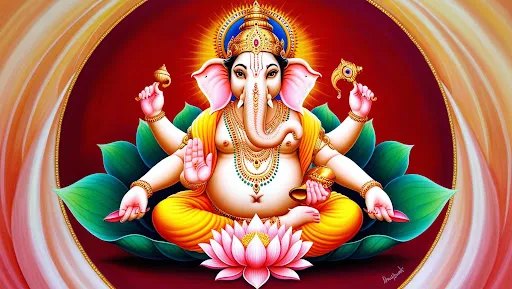
"Lord Ganesha and His Connection to the Muladhara Chakra: Foundation of Spiritual Awakening"


Lord Ganesha and His Connection to the Chakras: A Spiritual Insight

In Hinduism, the connection between deities and chakras is not explicitly defined in the same way it is in certain practices of Kundalini yoga and other spiritual disciplines. Chakras, the energy centers within the human body, are primarily linked to different aspects of spiritual and physical well-being, rather than being directly associated with specific deities.

However, Lord Ganesha holds a special place in Hindu tradition as the remover of obstacles and the harbinger of wisdom and intelligence. While he is not traditionally regarded as the guardian of any specific chakra, his influence is often invoked in association with the Muladhara chakra, also known as the root chakra.


The Muladhara Chakra and Its Significance

The Muladhara chakra is located at the base of the spine and is considered the foundation of the body’s energy system. It governs themes of stability, security, and the fundamental sense of being grounded. As the starting point for one’s spiritual journey, the Muladhara chakra is crucial for establishing a strong base for personal growth and development.

Lord Ganesha and the Root Chakra

Lord Ganesha’s attributes align closely with the essence of the Muladhara chakra. His role as the remover of obstacles makes him an essential deity to call upon when working with challenges related to security, stability, and foundational growth. By seeking Lord Ganesha’s blessings, individuals aim to clear their path of physical, emotional, and spiritual hindrances, allowing for a balanced and harmonious energy flow.

Although Lord Ganesha is not the exclusive deity linked to the root chakra, his energy and symbolism resonate deeply with its themes. His guidance is often sought at the start of new endeavors, much like the Muladhara chakra serves as the beginning point of spiritual awakening. This association highlights the synergy between Lord Ganesha’s qualities and the transformative potential of the root chakra.

Wednesday, 14 February 2024

The Ancient Art of Agnihotra: A Modern Solution to Pollution and Health Woes


In today's fast-paced world, with pollution levels soaring and health concerns on the rise, the search for effective remedies has led many to explore ancient practices. Among these is Agnihotra or Homa, a Vedic ritual gaining global popularity for its purported benefits in both environmental purification and personal well-being.

Agnihotra is a sacred ritual enjoined upon those who have established formal sacred fires. It is to be diligently performed twice daily, at dawn and dusk. The primary offering in Agnihotra is milk, though alternatives such as ghee, yogurt, or soma may also be used. Traditionally, the ideal practitioner of Agnihotra was expected to be affluent, possessing ample resources such as cows and agricultural land.


In ancient times, Agnihotra was predominantly carried out by kings and wealthy individuals. Even in the present day, approximately two hundred dedicated practitioners continue this tradition, mainly concentrated in South India along the banks of rivers like Godavari, Krishna, and Kaveri, and their tributaries. Should the practitioner be preoccupied with other duties, they may appoint a designated employee known as a Kshiirahotaa to perform the ritual on their behalf.


Regrettably, the practice of Agnihotra has diminished in the traditional Aryan heartland, particularly in Punjab and neighboring regions. Despite its decline in certain areas, the ritual persists as a cherished tradition upheld by dedicated adherents, preserving an ancient legacy of spiritual devotion and reverence for the sacred fires.

Agnihotra, traditionally performed at sunrise and sunset, has been adapted into simpler modern techniques that take only a few minutes to perform. While its origins lie in complex Vedic Yajna technology, its contemporary applications are practical and accessible to anyone.

One remarkable anecdote underscores the potential of Agnihotra: during the Bhopal Gas Leak Tragedy, a family house in Bhopal, regularly practicing Agnihotra, emerged as the sole survivor amidst thousands affected by cyanide poisoning. This incident sparked scientific interest, leading to studies that revealed a plethora of benefits associated with regular Agnihotra practice.

Scientific research has demonstrated that Agnihotra can create a bacteriostatic effect within a radius of up to one or two kilometers, offering protection against diseases caused by viruses and bacteria. Moreover, individual health benefits are manifold, ranging from reduced bad cholesterol levels to alleviation of asthma, breathing problems, psychological issues, and even aiding in addiction recovery from substances like alcohol and tobacco.

But the benefits don't end there. Agnihotra ash, a byproduct of the ritual, has been found to possess remarkable properties. When applied to the body, it forms a beneficial colloidal layer, offering relief from various skin conditions. When spread or sprayed onto fields, it has been reported to enhance crop yields, contributing to agricultural productivity.

The resurgence of interest in Agnihotra underscores a growing recognition of the wisdom inherent in ancient practices. As we grapple with modern challenges such as pollution and deteriorating health, turning to time-tested solutions like Agnihotra offers a ray of hope.

In conclusion, the ancient art of Agnihotra, with its dual benefits of environmental purification and personal well-being, serves as a beacon of hope in our quest for a healthier and more harmonious world. Embracing this age-old practice not only connects us to our cultural heritage but also provides tangible solutions to some of the pressing challenges of our time.

Sunday, 28 January 2024

Significance of Sitting on the Floor in Sukhasan While Eating


In a world that constantly evolves, certain traditions stand the test of time, offering profound benefits that go beyond mere customs. One such tradition is the practice of sitting on the floor in the Sukhasan position while eating. Beyond its cultural significance, this practice has garnered attention for its potential impact on digestive health. Let's delve into the reasons behind this tradition and explore how it can contribute to an improved dining experience.

Sukhasan and its Connection to Yoga:

Sukhasan, a fundamental posture in yoga, involves sitting on the floor with crossed legs, creating a stable and comfortable foundation. This pose is not only revered for its meditative qualities during yoga practice but is also recognized for its potential benefits outside the realm of spiritual exercises.

Digestive Focus:

One of the key principles behind adopting Sukhasan while eating lies in optimizing the body's resources for digestion. Unlike the distractions that come with sitting on a chair or standing, Sukhasan allows the circulatory system to concentrate on the process of digestion without the added strain of supporting the body in an upright position. As we sit on the floor, the body's energy can be channeled into the digestive organs, promoting efficient nutrient absorption and assimilation.

Enhanced Mindful Eating:

Sukhasan not only fosters physical well-being but also encourages mindful eating. Being closer to the ground connects us to our food in a unique way, fostering a deeper appreciation for the nourishment it provides. The act of sitting in Sukhasan naturally slows down the pace of eating, allowing individuals to savor each bite and be present in the moment. This mindfulness can contribute to better digestion by signaling the brain to release appropriate enzymes and hormones in response to the incoming nourishment.

Improving Posture and Flexibility:

Incorporating Sukhasan into mealtime routines can also positively impact posture and flexibility. This seated position promotes a straight spine and engaged core muscles, potentially alleviating issues related to poor posture. Over time, regular practice of Sukhasan may contribute to increased flexibility in the hips, knees, and ankles, enhancing overall physical well-being.

Cultural Significance:

Beyond its physiological advantages, sitting on the floor in Sukhasan while eating carries cultural and social significance in many societies. It is a practice deeply rooted in various traditions, symbolizing humility, equality, and a sense of community during communal meals.

Conclusion:

In a fast-paced world where dining often takes a backseat to busy schedules, embracing the tradition of sitting on the floor in Sukhasan while eating can offer a holistic approach to well-being. By prioritizing digestion, fostering mindfulness, and honoring cultural roots, this practice goes beyond a mere seating arrangement – it becomes a mindful and intentional act, promoting a harmonious balance between body, mind, and spirit. So, the next time you sit down for a meal, consider the age-old wisdom encapsulated in the simple act of sitting on the floor.

Saturday, 27 January 2024

Significance of ringing bells at Temple


In the serene ambiance of a temple, the ritual of ringing the bell before entering the inner sanctum holds profound significance. Rooted in Agama Sastra, this practice serves both spiritual and scientific purposes, weaving together the divine and the rational. Let's explore the enchanting world of temple bells, where the sacred sound resonates not only in the spiritual realm but also in the intricate workings of our minds.

The Spiritual Significance:

According to ancient scriptures, the bell plays a crucial role in safeguarding the sacred space from malevolent forces. The pleasant ring is believed to be pleasing to the divine, creating a harmonious atmosphere for worship. This age-old tradition, deeply rooted in religious practices, invites devotees to engage in a ritual that transcends the physical and connects with the spiritual.

The Scientific Symphony:

Beyond its spiritual implications, the ringing of temple bells has a fascinating scientific dimension. Crafted with precision, these bells are designed to produce a sharp and enduring sound that resonates for at least 7 seconds in echo mode. This deliberate design serves a unique purpose - the synchronization of the left and right parts of the brain.

Brain Harmony and Healing:

Scientifically, the sound produced by the temple bell has a remarkable impact on our mental faculties. The resonance created by the bell works as a catalyst, fostering unity between the two hemispheres of the brain. This synchronization is pivotal in enhancing concentration and mental clarity.

The Duration of Echo:

As the bell echoes for a minimum of 7 seconds, it activates the seven healing centers in our body. This prolonged resonance acts as a powerful agent, clearing the mind of negative thoughts and promoting a state of mental purity. The echo, in its rhythmic persistence, serves as a therapeutic melody, creating a space for inner peace and spiritual rejuvenation.

The Ritual's Profound Effect:

When we ring the temple bell, we participate in a sacred ritual that extends beyond religious customs. The convergence of spiritual significance and scientific resonance makes this practice a holistic experience. The synergy between the divine and the scientific in the act of ringing the bell becomes a timeless expression of human connection with the sacred.

Conclusion:

In the hallowed halls of temples, the ringing of bells transcends the boundaries of tradition and science. Rooted in ancient wisdom, this ritual serves as a bridge between the spiritual and the rational, offering devotees a profound experience that resonates not only in the sacred chambers but also within the intricate workings of their minds. As we delve into the world of temple bells, we uncover a harmonious symphony that echoes through the ages, inviting us to explore the profound interplay of spirituality and science.


Tuesday, 9 January 2024

Why Hindu Women wear bangles- a scientific peek


Bangles, the circular ornaments adorning the wrists of Hindu women, hold profound cultural and symbolic significance in the rich tapestry of Hindu tradition. From representing eternity to embodying prosperity and health, these beautiful accessories are not just jewelry but carry a deep cultural legacy. Let's delve into the history and symbolic meanings behind the tradition of wearing bangles in Hindu culture.

Eternal Circles:

Bangles are crafted from various materials, including gold, silver, copper, ivory, plastic, and glass, with no distinct beginning or end. This unique circular design symbolizes eternity, emphasizing the cyclical nature of life, death, and rebirth – a concept deeply rooted in Hindu philosophy.

Symbolism in Hindu Mythology:

The presence of bangles on the arms of deities like Lakshmi, Sita, and Parvati underscores their divine significance. Archaeological finds throughout India reveal the ancient roots of bangles in Hindu culture, reflecting their enduring role in religious practices and rituals.

Ayurvedic Health Benefits:

According to traditional Ayurvedic beliefs, wearing bangles has health benefits as they stimulate the nerves in the wrists, promoting improved blood circulation. This age-old practice is a testament to the holistic approach embedded in Hindu traditions, where adornments are not just ornamental but contribute to overall well-being.

Marital and Festive Attire:

For married women, red and gold bangles are not just accessories but an integral part of their daily attire, symbolizing prosperity and the sacred bond of marriage. Unmarried women and girls, on the other hand, express their joy and vibrancy through colorful bangles, turning these accessories into a joyful part of dressing up for special occasions such as weddings and festivals.


The Language of Colors:

The diverse colors of bangles worn by women convey specific meanings. Red signifies energy and prosperity, green represents luck and fertility, yellow symbolizes happiness, white marks new beginnings, and orange is associated with success. Gold bangles are a powerful symbol of fortune and prosperity, while silver bangles denote new beginnings.


Conclusion:

In the intricate web of Hindu traditions, bangles stand as more than just adornments; they encapsulate the essence of eternity, prosperity, and well-being. As women gracefully wear these timeless ornaments, they become bearers of a cultural legacy that extends through centuries. The vivid colors and materials of bangles tell a story of tradition, spirituality, and celebration, making them an integral part of the vibrant tapestry of Hindu culture.

Monday, 8 January 2024

Significance of Sandhyavanda - A scientifc insight


Sandhya Vandana, also known as Sandhyopasana, is a ritualistic practice in Hinduism that involves offering prayers during the transition periods of the day—dawn, noon, and dusk. While it is deeply rooted in Hindu religious and cultural traditions, the scientific aspect of Sandhya Vandana is more related to its potential psychological and physiological benefits.

  1. Circadian Rhythms: Sandhya Vandana is aligned with the natural circadian rhythms of the day, emphasizing specific times for prayer and reflection. The human body's internal clock, influenced by the daily light-dark cycle, regulates various physiological processes. Aligning daily practices with these rhythms may contribute to overall well-being.

  2. Mindfulness and Mental Health: The practice of Sandhya Vandana involves recitation of mantras, meditation, and focused prayers. Such activities can have a positive impact on mental health by promoting mindfulness, reducing stress, and enhancing a sense of inner peace and calm. Scientific studies have shown that regular meditation and prayer can positively affect mental well-being.

  3. Biological Impact of Chants and Mantras: Chanting and reciting mantras during Sandhya Vandana involve rhythmic breathing and vocalization. Research suggests that chanting mantras may have physiological benefits, such as reducing stress levels, improving cardiovascular function, and influencing the autonomic nervous system.

  4. Cultural and Social Bonds: Sandhya Vandana is often a communal practice, reinforcing social bonds within the family and the larger community. Social connections have been associated with improved mental and physical health.

While the scientific understanding of the specific rituals and prayers involved in Sandhya Vandana may be limited, the overall practice aligns with principles that can contribute to holistic well-being. It's important to note that the primary significance of Sandhya Vandana lies in its cultural, religious, and spiritual dimensions, and individuals may find personal benefits beyond the scope of empirical science in their participation in these rituals.

Friday, 5 January 2024

The Importance of a Mangal Sutra


In the rich tapestry of Indian traditions, the Mangalsutra stands as a timeless symbol of auspicious union, weaving together the destinies of a bride and groom. This sacred thread, laden with cultural significance, transcends mere ornamentation to signify a commitment as profound as the two souls it binds. Join us on a journey through the history, cultural nuances, and evolving trends surrounding this iconic piece of marital jewelry.

The Essence of Mangalsutra:

The term "Mangal" denotes auspiciousness, while "sutra" signifies thread. When combined, Mangalsutra represents an auspicious thread uniting the souls of a married couple. This symbolic act involves the groom delicately tying the thread around the bride's neck on their holy nuptial day, symbolizing the promise that their relationship will be as auspicious as the thread itself.

Components of a Mangalsutra:

A traditional Mangalsutra typically comprises two strings of black beads and a pendant. These black strings hold profound symbolism, representing the cosmic energies of Shakti and Shiva. According to tradition, the Mangalsutra acts as a protective talisman for the marriage, endowing the bride with immense power and shielding the union from the malevolent gaze of the evil eye.

Historical Roots:

The roots of the Mangalsutra can be traced back to the 6th century A.D., with its cultural significance originating in South India. Over time, this sacred symbol of matrimony spread to Northern states, undergoing transformations in shape and pattern. Despite these changes, the essence of gold has remained integral, not only for its aesthetic appeal but also for its reputed healing properties.

Healing Properties of Gold:

Ayurveda, the ancient Indian system of medicine, asserts that wearing a Mangalsutra close to the heart attracts cosmic waves, promoting heart health. Beyond its physical benefits, the Mangalsutra is believed to foster a healthy relationship between spouses. This sacred accessory contributes to the development of the immune system, regulates blood flow, and maintains overall well-being.

Modern Trends and Individual Choices:

In contemporary times, the wearing of Mangalsutra is no longer mandatory, as modern brides exercise their freedom to choose designs that align with personal preferences and practicality. Some opt for elaborate and heavy designs, while others choose sleek, designer Mangalsutras that complement their attire without compromising comfort.

The Empowered Woman:

While the Mangalsutra carries deep cultural significance, it is essential to recognize that it is not a guarantee of a happy married life. Instead, the strength, intelligence, and Shakti (divine feminine energy) within women play a pivotal role in navigating the journey of marriage. The modern woman embraces her choices, be it in the design of her Mangalsutra or in the path she charts for her married life.

Conclusion:

As we explore the intricacies of the Mangalsutra, we unveil a symbol that goes beyond its ornamental charm. It is a testament to the cultural heritage, a reflection of evolving traditions, and a reminder that, ultimately, the success of a marriage rests on the foundation of love, strength, and understanding between partners.

Monday, 1 January 2024

Vibhuti: The Sacred Ash Transforming Spiritual Connection


When stepping into the sanctity of a temple, you may have observed the distinctive three horizontal stripes of white ash adorning the foreheads of priests and devotees. This sacred ash, known as Vibhuti, Bhasma, or Thiruneer, carries profound significance rooted in ancient traditions. Have you ever wondered about the ritualistic application of ash or why it is associated with spiritual practices? Let's explore the mysteries behind this ancient tradition and delve into the transformative power of Vibhuti.

The Essence of Vibhuti:

Vibhuti, in various names, embodies sacred ash formed through the burning of dried wood, cow dung, milk, ghee, and herbs. This ritualistic act purifies the ingredients, leaving behind pristine white ash, symbolizing the removal of impurities. Bhasma, derived from the Sanskrit word meaning 'that by which our sins are destroyed, and the Lord is remembered,' signifies the spiritual cleansing achieved through the application of ash.

Spiritual Significance:

The application of Vibhuti holds deep spiritual meaning, serving as a ritual to cleanse the mind of negative thoughts and evoke remembrance of the divine. When applied to the agna chakra, the meeting point of energy within us, the ash enhances sensitivity, especially when adorned as three stripes between the eyebrows. This area corresponds to the pineal and pituitary glands, promoting calmness and aiding in overcoming anxiety.

Medicinal Properties:

Vibhuti, meaning glory, is believed to protect those who apply it from certain ailments, bestowing them with divine radiance. With recognized medicinal value, this sacred ash can be found in Ayurvedic medicines known for absorbing excess moisture from the body, preventing colds, and alleviating headaches. The positive energy generated by applying the ash contributes to overall well-being.

A Spiritual Reminder:

Beyond its physical and medicinal attributes, the holy ash serves as a poignant reminder to Hindus of the transient nature of the physical body. It urges individuals to focus on the ultimate goal of spiritual attainment, fostering a closer connection to the divine. In essence, Vibhuti becomes a symbol of the spiritual journey, encouraging introspection and a deeper understanding of one's existence.

Conclusion:

Vibhuti, the sacred ash, is more than a traditional mark on the forehead; it is a spiritual practice laden with symbolism and transformative power. As we delve into the ancient customs surrounding Vibhuti, may we find inspiration in its profound significance, using this sacred ash as a pathway to spiritual growth and connection with the divine.

Exploring Timeless Hindu Samskaras


In the rich tapestry of Hinduism, the sacred journey of life is marked by various ceremonies known as Samskaras. These rituals, aimed at purifying and refining the body, mind, and intellect, signify the entry into different stages of life. While there are sixteen traditional Samskaras, some have evolved with time, adapting to the needs and beliefs of the contemporary world.

Simantonnayana Ceremony:

One of the cherished Samskaras, the Simantonnayana ceremony, is performed during the 6th or 8th month of pregnancy. Also known as Godbharai or Khoro, this ritual emphasizes the healthy mental growth of the unborn child, reflecting the enduring bond between the spiritual and the physical.

Namkaran Ceremony:

The Namkaran ceremony, or the naming ceremony of a baby, is a momentous occasion. Careful consideration is given to choosing a name that not only enhances the baby's spiritual progress but also holds significance for the parents. Names carrying attributes or invoking the divine, such as Shanti or those of gods, contribute to the spiritual resonance of the child's identity.

Choodakarma Ceremony (Mundan):

At the age of one or three, the Choodakarma ceremony holds significance for both spiritual and medical reasons. This ritual involves shaving the child's head, symbolizing the removal of negative thoughts. Modern science affirms its medical importance, allowing the examination of the skull's proper development, which completes around the age of three.

Upanayana (Janoi) Ceremony:

Originally performed for both boys and girls, the Upanayana ceremony now typically applies to boys when they reach school-going age. Tied with three strings diagonally across the body, the ritual signifies three responsibilities – to parents, teachers, and a higher being. The open nature of Hinduism allows for adaptation to contemporary norms and values.

Vivaah (Marriage) Ceremony:

Beyond the grandeur of decorations and attire, the Vivaah ceremony holds deep spiritual significance. The lit fire serves as an eternal witness, and the four vows - Dharma, Artha, Kama, and Moksha - guide the couple in their marital journey. An example of Artha is evident in the substantial contribution of Hindus living in the UK to the country's economy.

Antyesthi (Death Rites):

As the final sacrament, Antyesthi marks the end of the physical journey. Cremation, symbolizing the return of the body to the five physical elements, is a profound reminder of life's cyclical nature and the interconnectedness of all things.

Conclusion:

While there are ten more Samskaras mentioned in Hindu scriptures, some have become less common in the modern world. The adaptability of Hinduism allows for a harmonious integration of these timeless rituals into the contemporary fabric of life, reminding us of the sacred and interconnected nature of our journey.

Sunday, 31 December 2023

Significance of the Holy fire at the Hindu Wedding Ceremony

 In the vast tapestry of Indian culture, the institution of marriage is a sacred thread that weaves together love, faith, and companionship. Rooted in tradition, Hindu weddings are a symphony of customs that vary across regions, yet are united by the spirit of devotion. Join us on a journey through the intricate rituals that form the tapestry of a Hindu marriage ceremony.

The Divine Prelude: Ganesh Puja and Creating Sacred Space

In every Hindu wedding, the auspicious journey begins with a Ganesh Puja. Families light the diya, invoking Lord Ganesh to remove obstacles from the couple's wedded life. To honor tradition, a mandap—a four-pillared canopy on a raised platform—acts as a sacred space where the couple, seated on thrones, embark on their matrimonial voyage. The central fire in the mandap witnesses the sacrament, symbolizing purity and transparency.

The Sacred Fire: Agni, the Witness

A key element of Hindu weddings is the kindling of a sacred fire, crafted from ghee and wooden wicks. This fire, representing the divine Agni, serves as a witness to the union. It purifies the bond, cleansing it of negativity and laying the foundation for a life of purity. The fire becomes a prime witness to the entire marriage ritual.

The Dance of Rituals: Grahshanti, Kanyadan, Hasta Milap, and More

A sequence of ceremonies unfolds, starting with Grahshanti—a ritual seeking peace from the nine planets. The sacred bond solidifies with Kanyadan, where the bride's family gifts her hand to the groom. The symbolic tying of garments marks the union. Hasta Milap follows, where the couple exchanges garlands, signifying their acceptance of each other.

Mangal Fera: Walking the Path of Life Together


As the couple walks around the sacred fire in the Mangal Fera ritual, they take four rounds symbolizing the four ashrams of life. This act represents their commitment to duty, love, fidelity, and respect. The bride leads the first three rounds, and the groom leads the fourth, sealing their unity. Barley is poured into their hands, symbolizing their joint commitment to societal welfare.

The Culmination: Sindoor, Mangal Sutra, and Saptapadi

The ceremony progresses with the application of sindoor and the exchange of mangal sutra, emblematic of marital commitment. The pinnacle is reached with Saptapadi, the seven sacred vows. Each step the couple takes symbolizes a promise: respect, shared joy and sorrow, trust and loyalty, appreciation for knowledge and values, purity of emotions, adherence to Dharma, and the eternal bond of friendship and love.

Conclusion:

In the intricate tapestry of Hindu weddings, each ritual tells a story, and each step symbolizes a profound commitment. As the sacred vows echo through the hallowed space, the couple seeks the blessings of elders, embarking on a lifelong journey filled with love, understanding, and spiritual growth. The rich traditions of Hindu weddings continue to be a testament to the enduring power of love and the sanctity of the marital bond.

Friday, 29 December 2023

The Profound Link Between Literacy and Respect for Our Compatriots


In a world inundated with words, the true essence of literacy extends beyond the mere understanding of language. It is the fusion of words with respect that breathes life into the pages of our shared stories. The adage holds true: "Literacy will not have any meaning if you don't respect your own compatriots and their feelings." Let's delve into the intricate connection between literacy and the profound respect we owe to our fellow journeyers.

The Power of Literacy:

Literacy is often celebrated for its ability to open doors to knowledge, broaden perspectives, and empower individuals. However, its meaning deepens when we recognize that the true impact of literacy lies not just in comprehension but in the way we navigate the complexities of human interactions.

Respect as the Foundation:

Respect forms the bedrock upon which the edifice of literacy stands tall. Imagine a world where every word, every piece of literature, is imbued with the empathy and consideration we extend to our compatriots. It transforms the act of reading into a shared experience, fostering a community bound by understanding.

The Role of Empathy:

Literacy gains its true meaning when accompanied by empathy. To comprehend words is one thing; to understand the emotions, perspectives, and experiences they convey is another. Empathy bridges the gap between literacy and heartfelt connection, enabling us to appreciate the richness of diverse narratives.

Fostering a Culture of Respectful Literacy:

How do we transform literacy from a solitary pursuit into a communal endeavor? It begins with fostering a culture where respect is woven into the fabric of our interactions. Engaging in open, respectful dialogue and acknowledging the diverse feelings of our compatriots enriches the tapestry of our collective literacy.

Conclusion:

In conclusion, the quote "Literacy will not have any meaning if you don't respect your own compatriots and their feelings" serves as a poignant reminder of the intertwined nature of literacy and respect. Let us embrace a literacy that goes beyond the printed word—a literacy that respects, understands, and connects us on a profound level. As we navigate the vast landscape of knowledge, let respect be our compass, guiding us towards a more compassionate and enlightened world.


Thursday, 21 December 2023

Exploring the Cosmic Dance: The Aspect of Space and Time in Hinduism


Hinduism, one of the world's oldest religions, offers a unique perspective on the universe, encompassing not only spiritual dimensions but also profound insights into the nature of space and time. In this blog post, we delve into the Hindu understanding of the cosmos, particularly focusing on the interplay of Atma (Energy), Tatva (Matter), and Mahakaal (Space-Time Continuum).

The Triad of the Universe:

According to Hindu cosmology, the universe is intricately woven from three fundamental elements - Atma, Tatva, and Mahakaal. Atma represents energy, Tatva signifies matter, and Mahakaal encapsulates the concept of space-time continuum. Interestingly, the Hindu term for the interconnected nature of space and time aligns with modern scientific notions, referred to as the spacetime continuum.

Energy and Matter: Param Atma and Param Tatva:

In the Hindu worldview, energy and matter are referred to as 'Param Atma' and 'Param Tatva,' respectively, with 'Param' denoting the supreme or ultimate. This echoes the modern scientific understanding that energy and matter are interchangeable forms of the same cosmic essence.

The Trimurti and the Three Aspects of Matter:

Drawing parallels between Hindu cosmology and scientific principles, we find a fascinating correlation between the three aspects of matter and the Trimurti – the trio of divine forces governing the cosmic cycle.

1. Creation (Brahma, the Creator): The positive aspect personified by Brahma mirrors the creative force in the universe.

2. Preservation (Vishnu, the Preserver): Vishnu, representing the neutral aspect, embodies the force that maintains the cosmic equilibrium.

3. Destruction (Shiva, the Destroyer): Shiva personifies the negative aspect, not in the conventional sense of harm but as the force that transforms and renews, completing the cycle of creation.

Atomic Structure and Divine Connections:

Delving deeper, we find a striking resemblance between the basic structure of atoms and the divine connections in Hinduism. Electrons, protons, and neutrons with their positive and negative charges reflect the dynamic balance within the microcosm, akin to the cosmic dance of the Trimurti.

Nucleus and Naval Cord: Brahma and Vishnu:

Intriguingly, the connection between the proton and neutron in an atom finds its parallel in Hindu symbolism. Brahma, the creator, and Vishnu, the preserver, are symbolically linked through the naval cord (Nabhi), reminiscent of the connection between the nucleus and subatomic particles.

Conclusion:

The rich tapestry of Hindu cosmology unveils a profound understanding of the universe, where the interplay of energy, matter, and space-time finds resonance with modern scientific concepts. The parallels between the Trimurti, atomic structure, and divine connections offer a captivating perspective on the cosmic dance, inviting contemplation on the interconnectedness of the spiritual and scientific realms.

Wednesday, 20 December 2023

"The Timeless Wisdom Behind Hindu Rituals: A Deeper Look at Touching Elders' Feet"


In the rich tapestry of Hindu culture, rituals are not mere customs; they are threads that weave together tradition, spirituality, and scientific understanding. One such ritual that resonates with profound meaning is the act of touching the feet of our elders. Originating from Maharashtra, India, this age-old tradition is more than a gesture of respect; it is a harmonious dance of energies and a conduit for the exchange of wisdom.

The Science of Energy Flow:

Our bodies, according to ancient Hindu wisdom, house both positive and negative energies. The left side is said to contain negative energy, while the right side harbors positive energy. When we touch the feet of our elders, a symbolic completion of a circuit occurs. This union of positive and negative energies is believed to create a harmonious flow that benefits both the giver and the receiver.

Fingertips as Receptors:

Intriguingly, our fingertips play a crucial role in this ritual. Scientifically recognized as excellent receptors, they are sensitive to energy exchanges. As we touch the feet of our elders, we open ourselves to receiving not only their energy but also the wealth of wisdom that comes with age. This act, rooted in humility, serves to suppress our ego and foster a connection beyond the physical realm.

Positive Vibrations and Cosmic Energy:

The act of bowing down or touching someone's feet is not merely symbolic; it triggers a release of positive vibrations from the heart of the elder. These vibrations, akin to cosmic energy, create a connection that transcends the material world, linking hearts and minds. This exchange is believed to be spiritually uplifting, fostering a bond that goes beyond the mundane.

Health Benefits of the Ritual:

Beyond the spiritual realm, there are tangible health benefits associated with the act of touching elders' feet. The increased blood circulation resulting from this gesture contributes to overall well-being. Additionally, the ritual includes three different methods, each serving as a form of exercise that stretches and relaxes different parts of the body, providing both physical and mental relief.

Maharashtrian Tradition: Maternal Bond and Goddess Incarnation:

In Maharashtra, a unique facet of this tradition involves the touching of the feet by Mami, the maternal uncle's wife, even if she is older than her niece. This practice is rooted in the belief that a girl is the incarnation of a goddess. Through this act, the elder not only imparts blessings but also acknowledges the divine essence within the younger family member, reinforcing the sacred bond between generations.

A Hope for Continuity:

As we navigate the currents of modernity, it becomes essential to reflect on the profound wisdom embedded in our rituals. Touching the feet of elders is not a mere cultural formality; it is a bridge connecting the past, present, and future. May the new generation embrace and understand these traditions, ensuring their continuation for the well-being of both individuals and the collective spirit. In doing so, we honor the timeless wisdom that has guided us through the ages. 

Tuesday, 19 December 2023

Unveiling the Mysteries of Shiva and Shivalingam: A Cosmic Connection


The profound and mysterious realms of Hinduism often captivate the imagination of scholars and seekers alike. Among the many enigmatic facets, the worship of Shiva and the symbolism of the Shivalingam stand out as intriguing subjects. Delving into the depths of this ancient practice reveals a science that goes beyond religious rituals, unlocking cosmic secrets that connect the formless Shiva to the universe itself.

Shiva: The Formless Cosmic Essence:

At the heart of Shiva worship is the concept of formlessness. Shiva, the supreme deity in Hinduism, is often described as having no beginning or end, representing the timeless and boundless nature of existence. The Shivalingam, a sacred symbol associated with Shiva, mirrors this formlessness, serving as a cosmic egg that encapsulates the entirety of the universe.

Genetic Parallels: The Serpent and Chromosomes:

The Shivalingam is commonly depicted with a serpent coiled around it. This imagery finds a parallel in the realm of genetics, where chromosomes, resembling coiled snakes, carry the essential genetic information. Like Shiva, chromosomes are indestructible, and the information they bear remains unaltered—a reflection of the eternal and unchanging nature of Shiva.

The Pillar of Fire: Shiva's Timeless Existence:

Shiva is often envisioned as a pillar of fire, devoid of both beginning and end, rendering all other aspects of existence meaningless in comparison. Similarly, the Shivalingam symbolizes the union of the phallus and vagina, signifying that the entire universe depends on this union for its existence. It's a cosmic dance of creation and dissolution.

Kamakhya Temple, Assam: The Genital Form of Shakti:

The Kamakhya Temple in Assam is revered as the embodiment of Shakti, the divine feminine energy. The temple's unique architecture and symbolism represent the union of the masculine and feminine forces, a vital aspect of cosmic balance in Hindu philosophy. The Shivalingam, with its representation of this union, becomes a microcosm reflecting the macrocosm of creation.

The Infinitesimal Completeness of Shiva and Shivalingam:

Shiva in the form of the Shivalingam is a complete, self-contained entity, yet infinitesimal in its representation. To truly understand Shiva, one must unravel the profound truths behind this divine form. Similarly, grasping the significance and science behind the Shivalingam requires a deeper exploration, unlocking the keys to cosmic understanding.

Realizing Shiva Within: A Journey to Inner Peace:

The ultimate revelation lies in the realization of Shiva within oneself. Just as Shiva embodies the cosmic essence, recognizing the Shivalingam's purpose and science leads to the blooming of peace within the soul. The journey to self-realization becomes a path to understanding the profound interconnectedness of the universe and one's place within it.

Conclusion:

The worship of Shiva and the symbolism of the Shivalingam transcend mere religious practices, revealing a profound science that aligns with the cosmic order. Unveiling the mysteries behind Shiva's formlessness, the genetic parallels, and the symbolic representations invites seekers on a journey of self-discovery and cosmic understanding. As the Shivalingam becomes a gateway to inner peace, it also serves as a timeless reminder of the infinite mysteries woven into the fabric of existence.

Why Indian Farmers commit suicide

India, a land of agriculture, feeds over a billion people. But hidden behind this abundance lies a tragic reality—thousands of Indian farme...